

The reference video library on alignment, control and the problems that are still open.

Resources
What we send to someone who asks where to start. Almost all of it is in English, which is where the field publishes.
Five readings to start with
- Preventing an AI-related catastrophe (80,000 Hours)
- The Most Important Century (Holden Karnofsky, Cold Takes)
- Why AI alignment could be hard with modern deep learning (Ajeya Cotra, Cold Takes)
- Core Views on AI Safety (Anthropic)
- AGI Safety from First Principles (Richard Ngo, Alignment Forum)
Videos
Long documentaries on where AI is heading. The first one, on the AI 2027 scenario, passed ten million views.
Animations adapting classic essays on AI, rationality and existential risk.
Short animated explainers, each on one concrete risk or proposal.
Debates and interviews where both positions on the risk are argued face to face.



Podcasts
The reference podcast on technical alignment: long interviews with the people doing the research.
Conversations with researchers, founders and policy people about what to do with your own career.
Weekly, with people from the frontier labs. Useful for keeping up with what comes out.
Interviews with researchers, regulators and philosophers on existential risk.


Books
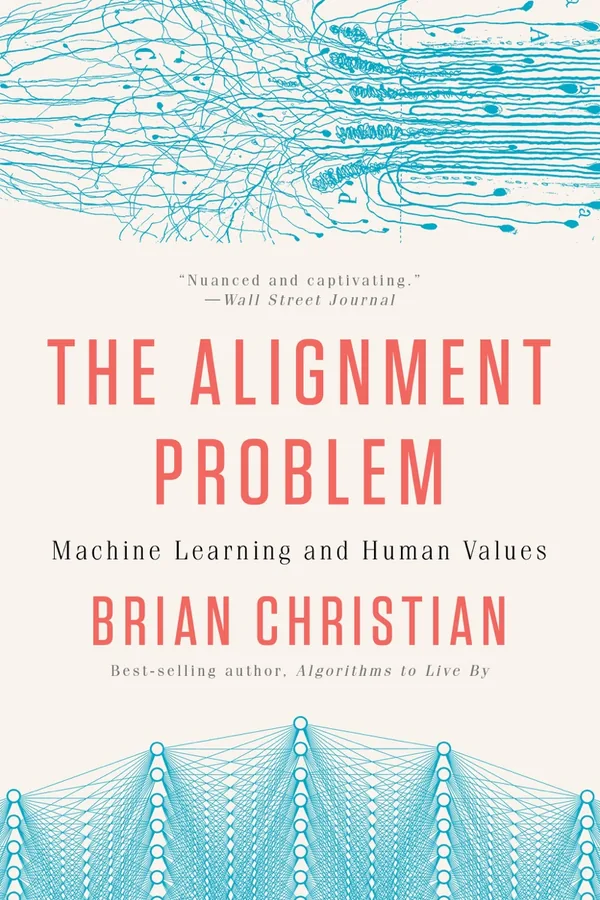
An accessible account of why it is hard to align a system with what we actually want.
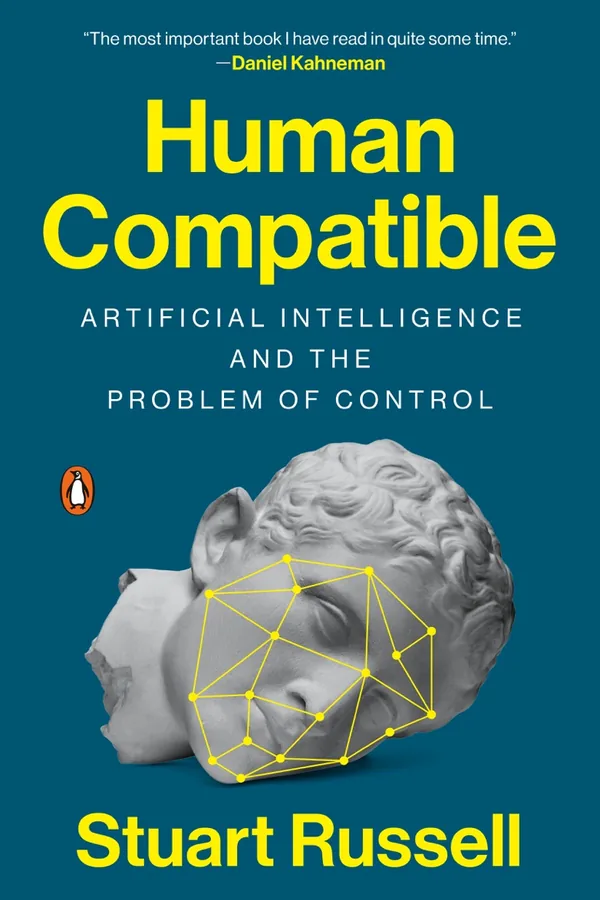
The case, from one of the authors of the classic AI textbook, for rebuilding the field around uncertainty.
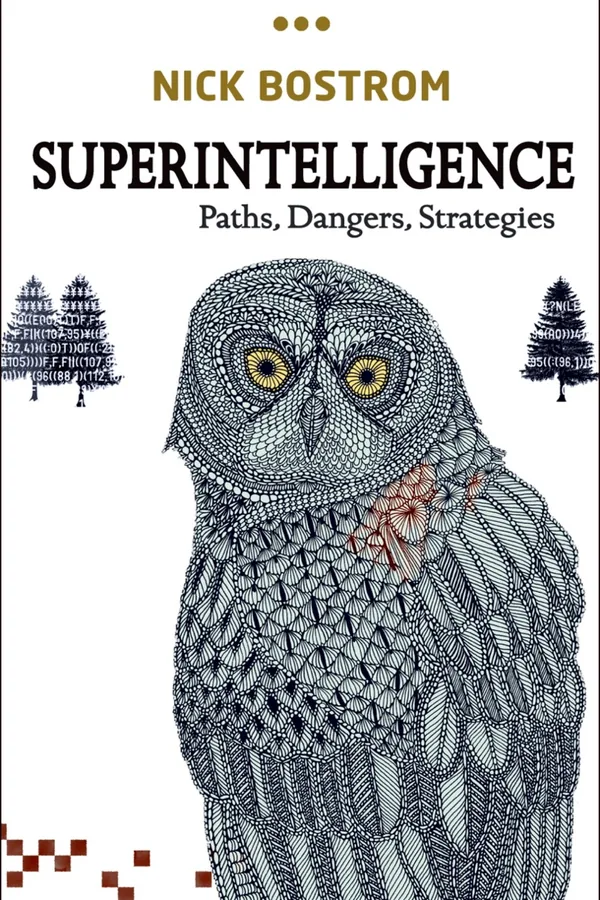
The book that brought the discussion of general AI into public debate. It is from 2014 and it shows, but it fixed the vocabulary.
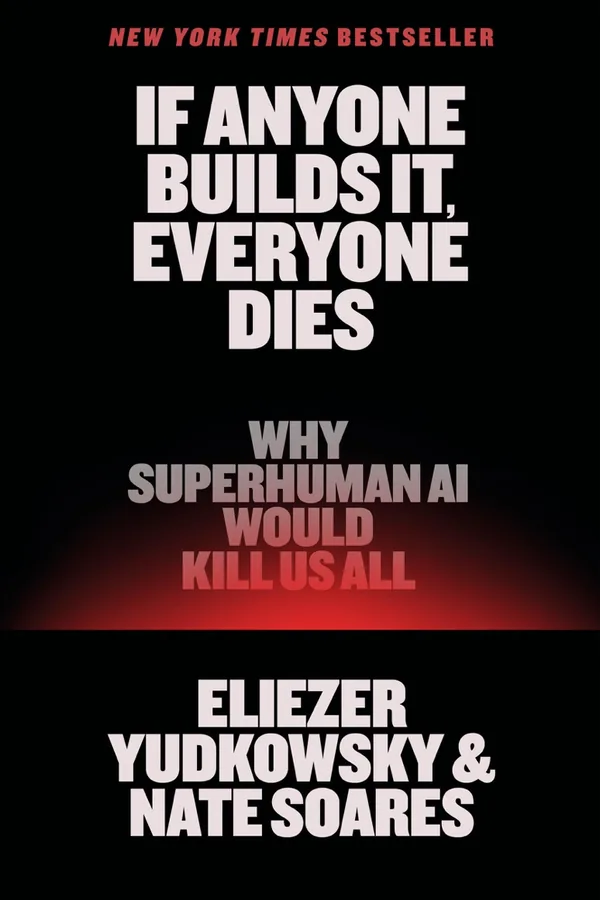
The most direct version of the pessimistic case. Worth reading even if you do not share the conclusion.
Courses
Twenty-five hours in groups of eight, taking a threat apart to see where it is worth intervening.
Thirty hours across six units. Each one leaves something finished: a brief, a map of power, a roadmap.
Thirty hours of alignment, interpretability, evaluations and control. It opens the door to the project sprint.
Seventy-five recorded minutes on the two ways an objective goes wrong.
Eight chapters, from catastrophic risks to governance. Free as a book, an audiobook and a course.
Four or five weeks in person in London, writing code: transformers, reinforcement learning and evaluations.
If you want to see the whole field
aisafety.com is an open directory with hundreds of organisations, programmes and projects, and with who funds each one.

They go further with company
Go through them with someone else
The reading group discusses one every fortnight, and the WhatsApp group is where you ask what does not add up.